Sitter notes

Write short, useful visit updates, take clear cat photos and report concerns calmly.
 Eva MitroiCatsOnly Writer
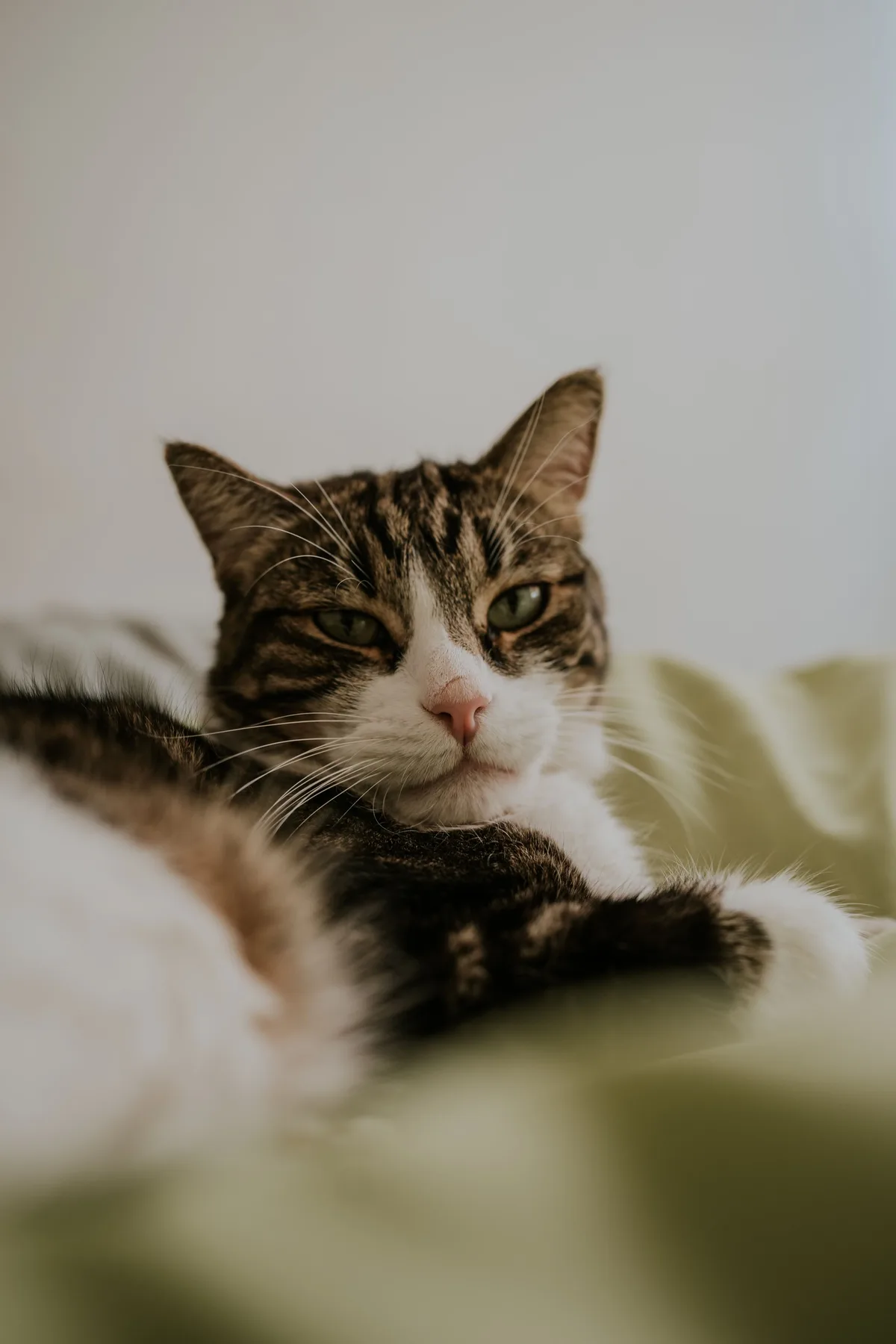
A reassuring visit update is short, specific and honest. Tell the owner what you saw, what you did, and how their cat spent the visit.
You do not need a long diary entry. A few useful sentences and one or two clear photographs usually say more than a page of enthusiastic reassurance.
Food and water: Say roughly how much was eaten, what you served, and whether fresh water was provided. “Finished half a pouch” is more helpful than “ate well”. Note any change from the cat's usual appetite.
Feed fresh wet food during the visit and clear away leftovers before leaving. It spoils after a few hours at room temperature. If wet meals are needed between visits, agree a suitable chilled timed-feeder arrangement with the owner in advance.
Litter: Note urine and stools, and say when you have scooped or cleaned the tray. Report unusual output or straining promptly. A cat trying to urinate but producing little or nothing needs urgent veterinary attention; do not leave it for the next diary entry.
Behaviour: Describe the greeting, play, rest or hiding you observed. Compare it with the cat's normal habits. Purring alone does not prove they are comfortable: cats can also purr when frightened, unwell or in pain.
These observations help owners follow their cat's routine and make changes easier to spot across several visits.
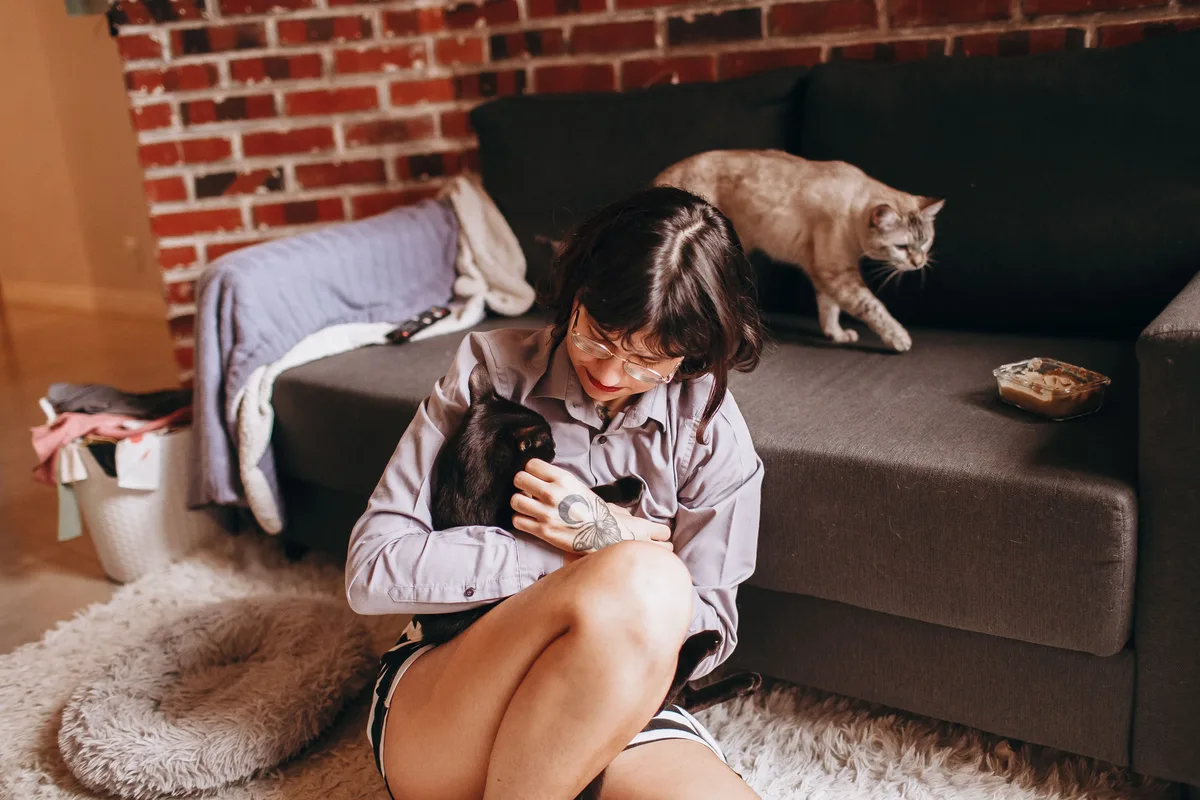
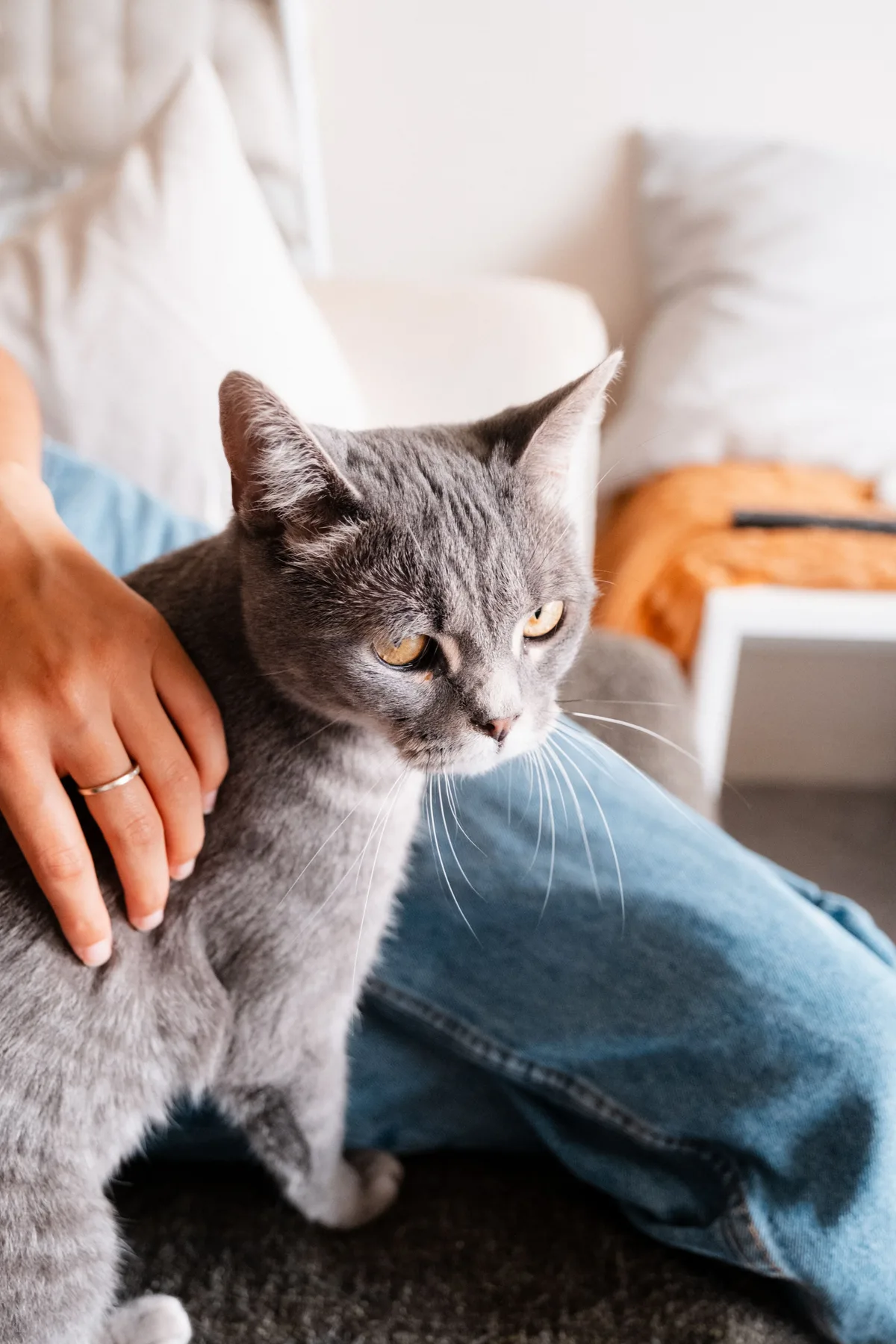
For a shy cat, a quiet photo from a respectful distance is enough. Never pull them from a hiding place or chase them for a picture. Avoid including private documents or other household details in the background.
For example:
Monty met me at the door and went straight to his favourite mouse. He finished his chicken pouch, has fresh water, and his tray had normal urine and stools. We played for a few minutes before he settled on the sofa. Everything is locked up, and I'll be back tomorrow morning as agreed.
Keep the tone natural. Use the cat's name and a detail from that visit rather than repeating the same message every day. For a CatsOnly booking, agree the timing of updates with the owner at the meet and greet.
Describe the change without guessing at a diagnosis or explaining it away. Say what action you have taken and what advice you need.
Bella stayed behind the chair today and ate less than usual. Her water is fresh, and I have noted what was left in the bowl. I've contacted your vet for advice about the appetite change and will keep you updated.
Only describe actions you have actually taken. Follow the agreed care plan, and seek veterinary advice when concerned rather than relying on a reassuring photo. For urgent symptoms, contact the vet immediately and inform the owner; do not wait for them to reply before seeking help.
Open the booking from your CatsOnly dashboard, select Diary, and add your visit note and photos before choosing Post visit update. You can also record the care completed and each cat's mood. Use the Messages tab for questions and changed plans; urgent concerns still need direct contact with the vet and owner.